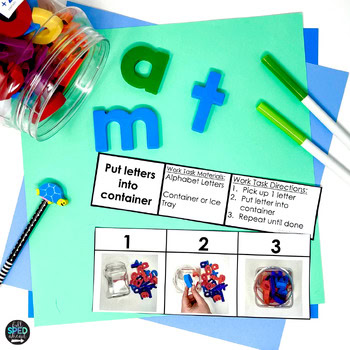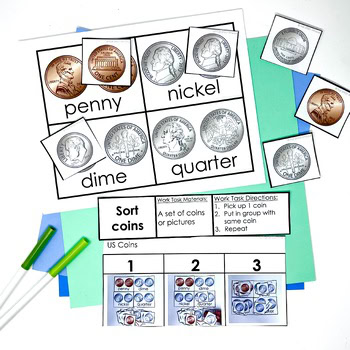
In special education classrooms, teaching life skills is just as important as academics. These skills prepare students for independence at home, in the community, and eventually in the workplace. One of the most effective tools for building and tracking these skills is the use of work task bins.
Work task bins, also called independent work bins or task boxes, provide students with structured, hands-on activities that can be tailored to their IEP goals. They give students opportunities to practice real-world skills in a manageable and repeatable way, while also making it easier for teachers to track progress.
Let’s take a closer look at how to use work task bins for IEP life skills and why they’re a must-have for special education classrooms.
Want to know more about setup? Grab this free guide to setting up vocational work tasks.
Work task bins are containers filled with activities that target specific skills. They can be as simple as sorting silverware into trays, matching clothing items, or sequencing recipe steps. Each bin should be self-contained, with all the materials a student needs to complete the activity.
The structure of task bins helps students:
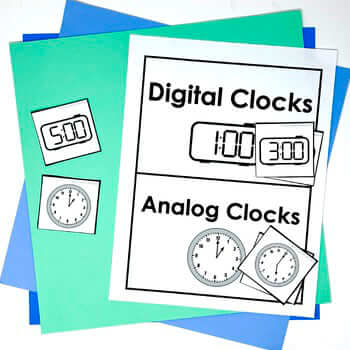
Life skills are often included in student IEPs, from hygiene and cooking to money management and vocational readiness. Task bins make it easy to embed these skills into your daily classroom routines.
Here are some examples of how you can connect task bins directly to IEP life skill goals:
👉 You can save time by using ready-made materials like my Independent Work Task Bins for Vocational Skills Bundle which are designed specifically to build independence while aligning to life skill IEP goals.
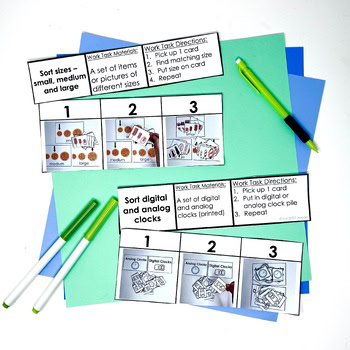
Work task bins are more than just busy work, they are powerful tools for teaching and reinforcing IEP life skills. By embedding them into your daily routine, you can give students structured opportunities to practice independence while collecting valuable data for IEP progress monitoring.
If you’re looking for ready-to-use bins that target vocational and life skill goals, explore my TeachersPayTeachers page here. These activities are designed to make life skill instruction engaging, practical, and aligned with student IEPs.
Must Have Independent Living Tasks for Special Education Classrooms
How Work Task Bins Build Independence in Special Education Classrooms
Independent Work Boxes in the Classroom
Incorporating Work Task Bins into Your Daily Schedule in a Special Education Classroom
Creating Work Task Bins That Target IEP Goals in Special Education
How to Set Up Independent Work Stations in your Special Education Classroom
5 Reasons Why You Need Independent Work in Special Education Classrooms
Must Have Independent Living Tasks for Special Education Classrooms
How to Successfully Set Up Stations in Special Education