
In this blog post, we will explore how work task bins can help special education students become more independent, how to set them up effectively, and why they are an essential resource for any special education classroom.
Independence is a key goal for students in special education. For many learners, developing independence is a gradual process that requires consistent practice, clear routines, and structured support. One tool that can make a significant impact in this area is work task bins. These versatile tools are ideal for fostering independence, building task endurance, and teaching critical life and academic skills in a self-contained classroom setting.

Grab these free work task bin labels!
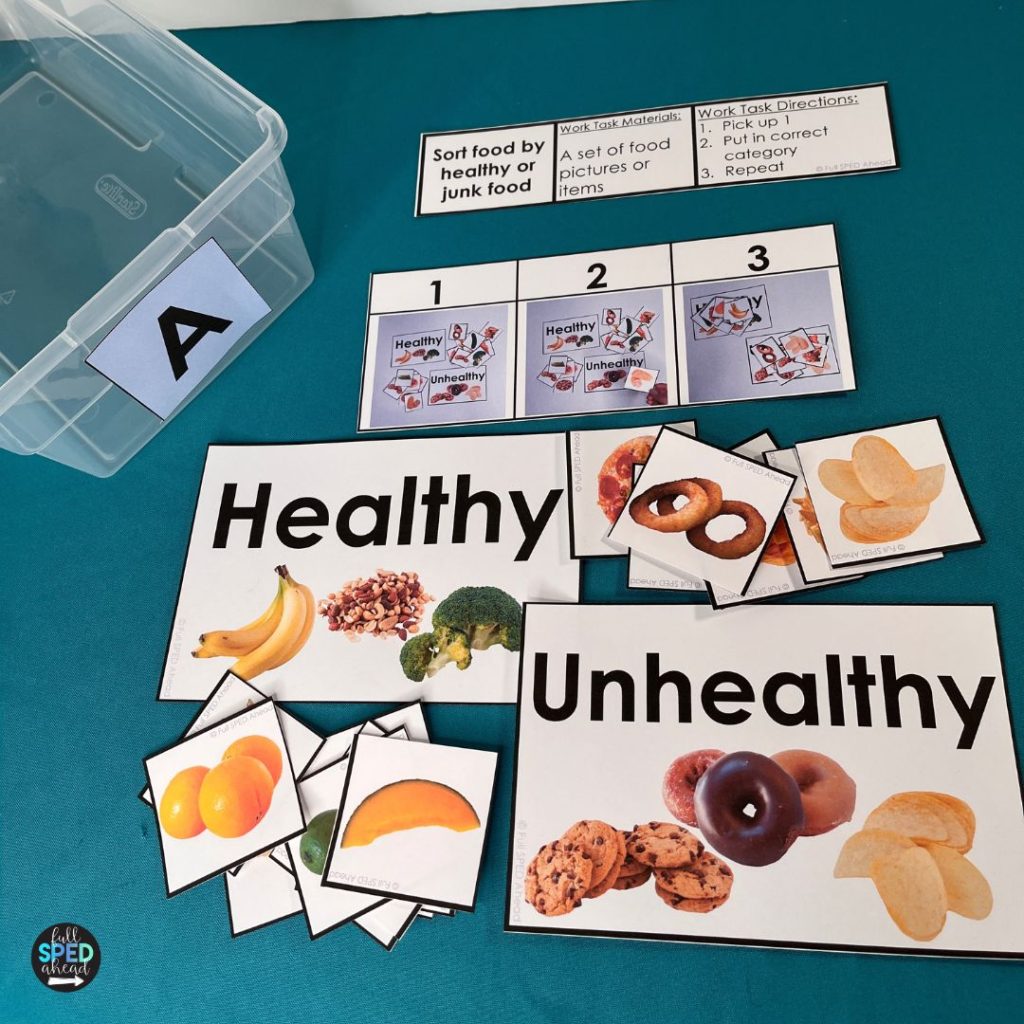
Work task bins are individualized, hands-on activities stored in containers such as plastic bins or shoeboxes. Each bin contains all the materials needed to complete a specific task, such as sorting objects, matching colors, assembling items, or completing functional life skills like folding towels. These tasks are designed to be self-contained, meaning students can work on them independently without needing additional instructions or support.
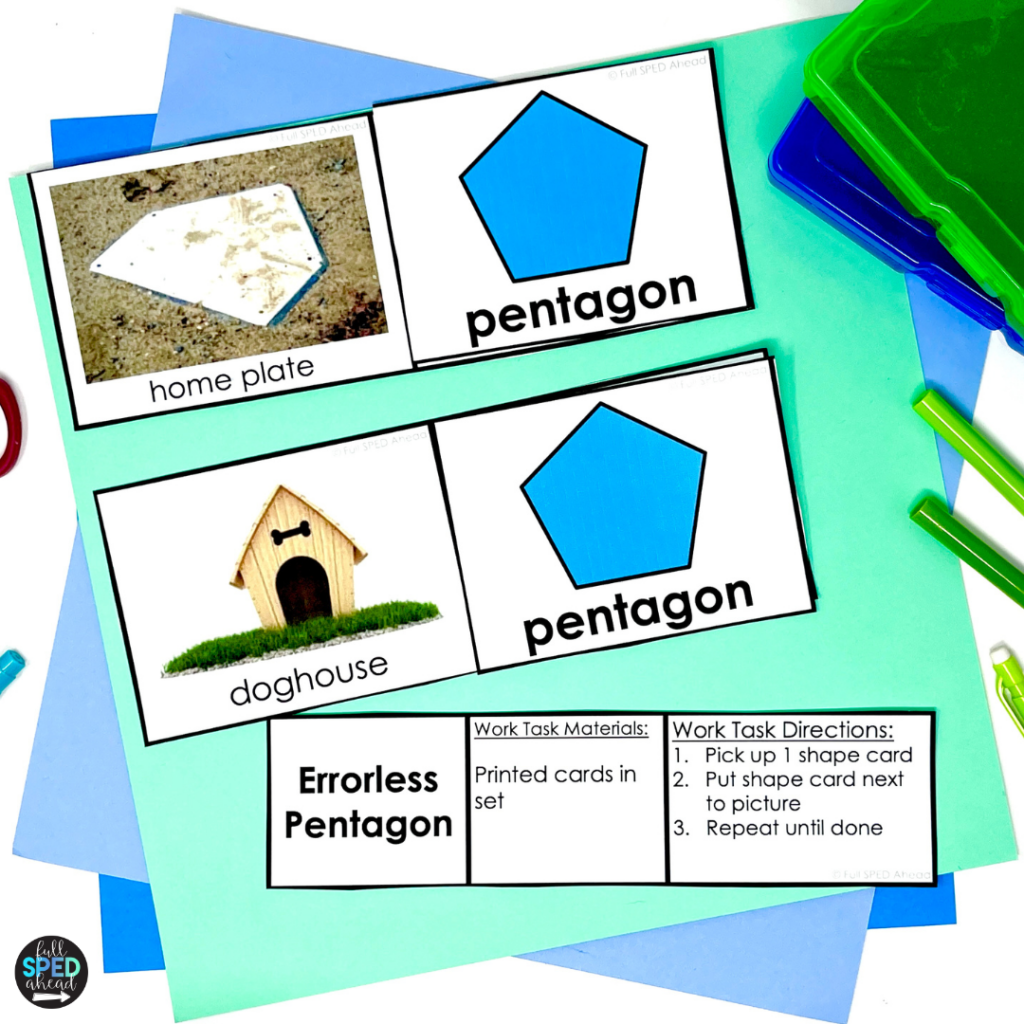
The simplicity and structure of work task bins make them an excellent tool for teaching students how to complete tasks from start to finish, fostering a sense of accomplishment and confidence. They can be tailored to meet a wide range of skill levels and instructional goals, making them suitable for learners with varying needs.
One of the primary benefits of work task bins is their ability to teach students how to work independently. By providing clear, step-by-step tasks, students learn how to complete activities without constant guidance from a teacher or paraprofessional. Over time, this fosters self-sufficiency and encourages students to take ownership of their learning.
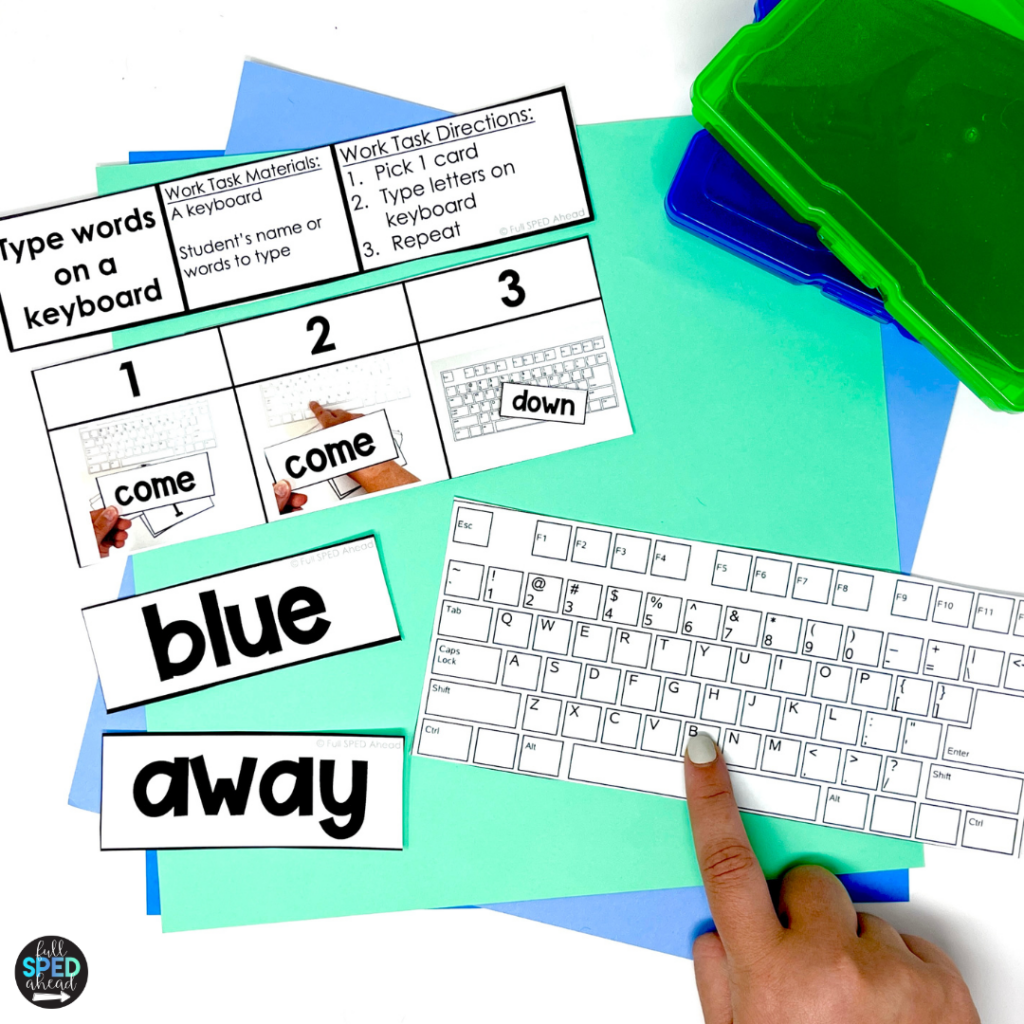
For example, a student might start with a simple matching activity, such as pairing socks or sorting colored blocks. As they gain confidence, the complexity of the tasks can be increased, gradually building their ability to work independently for longer periods.
Many students with special needs struggle with starting and completing tasks. Work task bins provide a structured format that clearly defines the beginning, middle, and end of an activity. This helps students understand what is expected of them and reinforces the importance of following through until a task is complete.
The physical act of finishing a task, such as placing all matched items back into the bin, provides a tangible sense of accomplishment. This not only boosts confidence but also teaches students the value of perseverance and hard work.
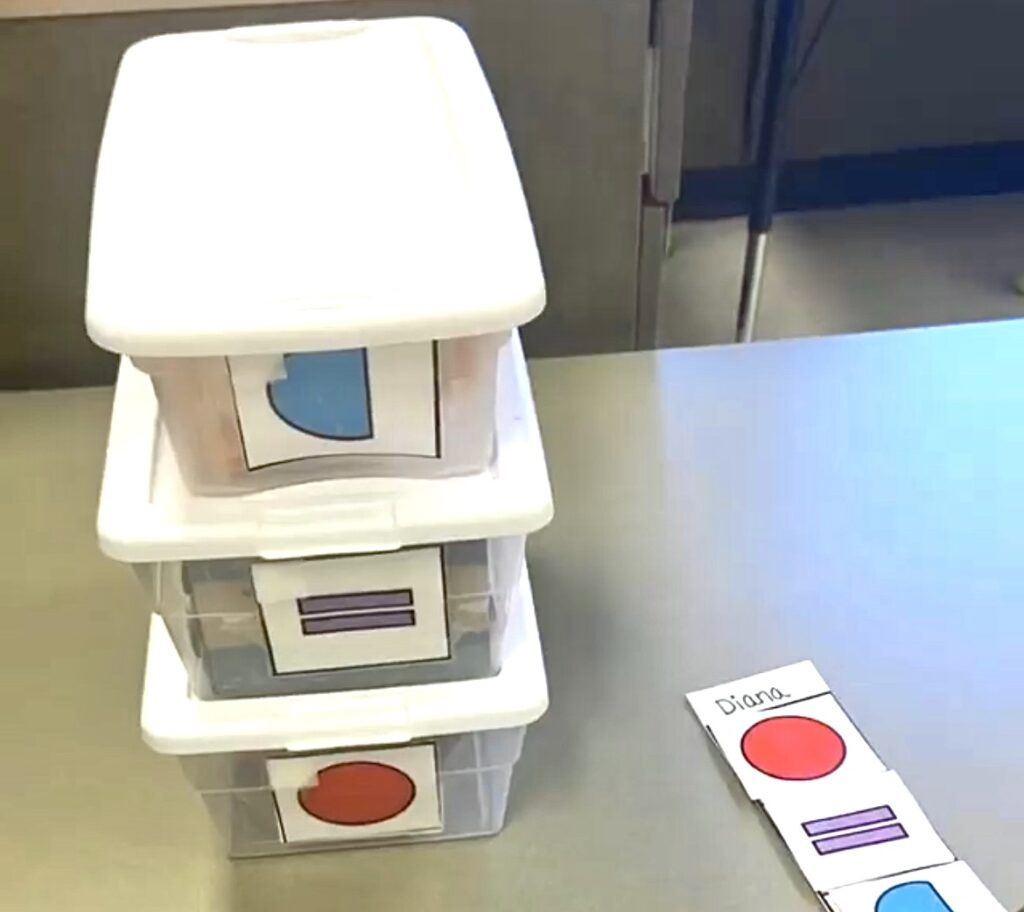
Building stamina for completing tasks is essential for students to succeed in both academic and vocational settings. Task cards centers for special education can be used to gradually increase the amount of time a student spends on a task. For instance, a student might start with a single bin activity that takes five minutes to complete. Over time, additional bins or more complex tasks can be introduced to extend their focus and endurance.
Grab this free work task visual reward system
When creating work task bins, consider the skills your students need to develop. These might include fine motor skills, sorting and categorization, matching, or basic academic skills like counting and letter recognition. Tailor the tasks to meet the individual goals outlined in each student’s IEP.
Grab this set of work tasks here!
2. Use Clear Visuals and Instructions
Include visual supports such as pictures or step-by-step instructions to guide students through the activity. This reduces the need for verbal prompts and allows students to rely on visual cues to complete the task independently.
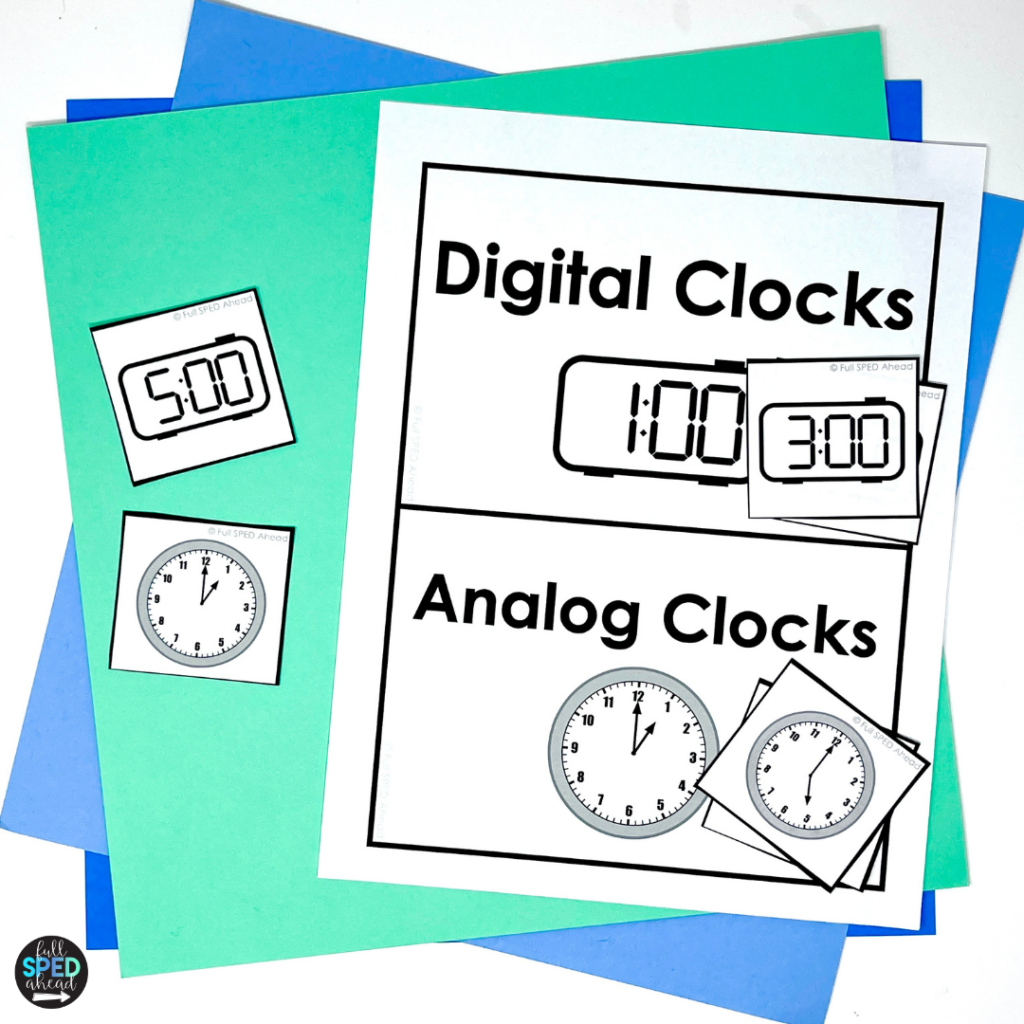
3. Organize for Easy Access
Store work task bins in a designated area of the classroom, such as a shelf or cart. Label each bin clearly and teach students how to retrieve and return their bins independently. This organization not only saves time but also reinforces responsibility and routine.
To keep students engaged, rotate the activities in your work task bins regularly. Incorporate seasonal themes or new tasks that align with current instructional goals. This keeps the activities fresh and exciting for students.
Work task bins are more than just an organizational tool; they are a pathway to independence and success for special education students. Here are a few reasons why every special education classroom should include them:

Work task bins are a powerful tool for building independence in special education classrooms. By promoting self-sufficiency, developing task completion skills, and increasing work endurance, these simple yet effective resources help students gain the confidence and skills they need to succeed. With proper setup and thoughtful planning, work task bins can transform your classroom and empower your students to reach their full potential.
Ready to get started? Explore ideas and resources to create engaging work task bins that meet your students’ unique needs. Watch your students thrive as they build independence and confidence one task at a time!
Read more about work task bins:
What are independent work task bins?
5 Reasons you need independent work tasks
What are functional life skills?

