
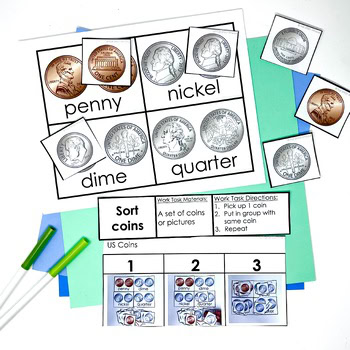
Work task bins are a cornerstone of many successful SPED classrooms. They provide students with structured opportunities to build independence, reinforce IEP goals, and practice functional skills in a hands-on way. However, to maximize their effectiveness, work task bins need to be seamlessly integrated into your daily schedule. With proper planning, task bins can be used to foster independence and reduce the need for constant teacher direction.
In this blog post, we’ll explore practical strategies for incorporating work task bins into your daily routine while ensuring that they align with your classroom goals.
Work task bins are more than just a teaching tool; they are a way to promote independence, reinforce skills, and create predictable routines for students. Here’s why they are indispensable:
1. Start the Day With Independent Work
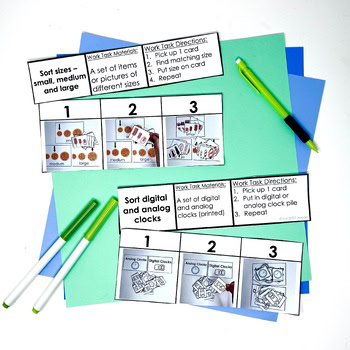
Incorporating work task bins as a morning routine to help students transition into the school day. Assign bins that are simple and familiar to encourage a positive start. For example, students could begin with tasks like matching colors, sorting objects, or threading beads.
2. Incorporate Into Center Rotations
During center time, designate one station for work task bins. Rotate students through different bins that align with their individual IEP goals or skill levels. For example, one student might work on fine motor tasks while another practices life skills such as folding or sorting.
3. Use During Transition Periods
Work task bins are excellent tools for keeping students engaged during transitions between activities. For instance, while waiting for peers to finish an assignment, students can work on task bins independently at their desks.
4. Integrate Into Functional Life Skills Practice
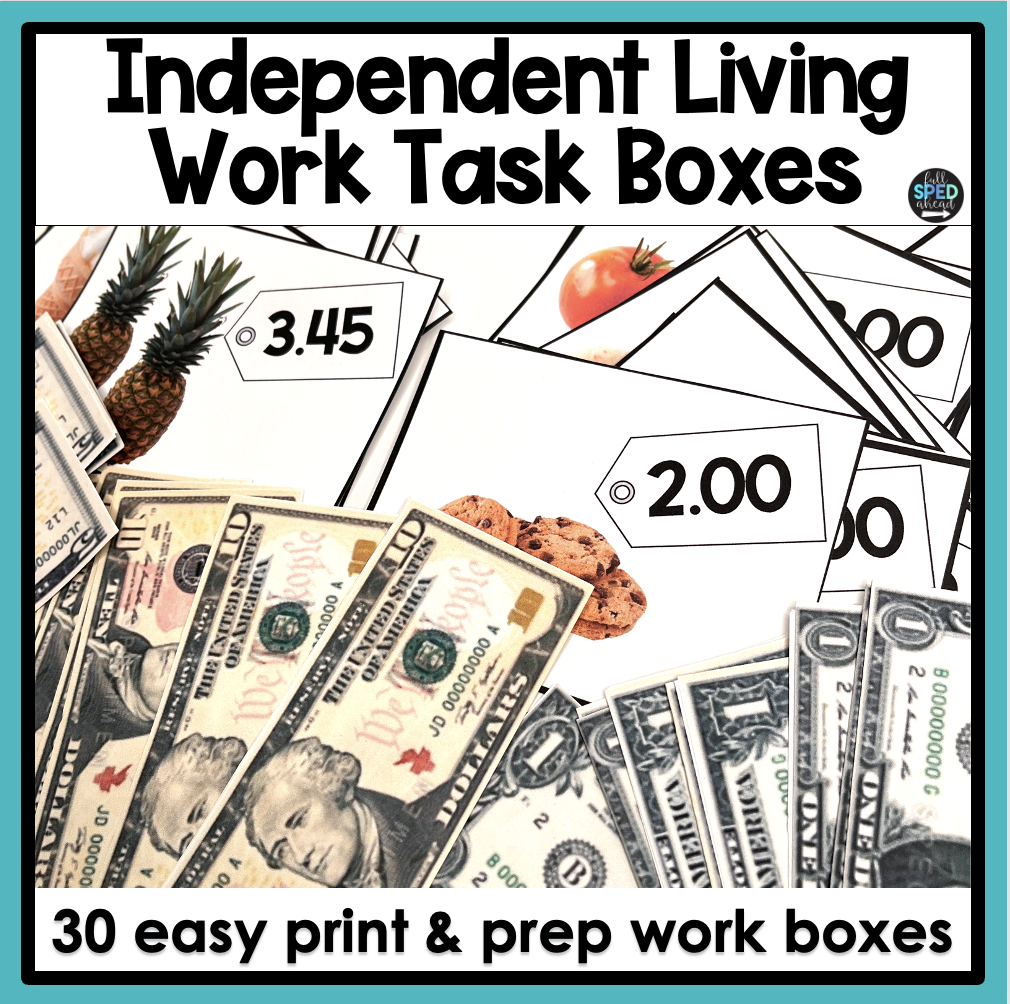
For older students or those working on functional life skills, use task bins to practice real-world tasks. For example, bins can include activities like assembling a simple snack, packaging items, or counting money.
5. End the Day With Task Bins
Work task bins can also be used as part of your dismissal routine. Assign calming, familiar tasks that help students wind down and reflect on their day. This could include puzzles, sorting by color, or matching pictures.
1. Prepare and Organize Ahead of Time
Designate a specific area in your classroom for work task bins. Label each bin clearly with the task name and include all necessary materials. Keeping bins organized ensures students can independently locate and use them. Including a “Work bins maker bin” can also be useful.
2. Rotate Tasks Regularly
To keep students engaged, rotate the tasks in your bins weekly or biweekly. This also ensures students practice a variety of skills.
3. Use Visual Supports
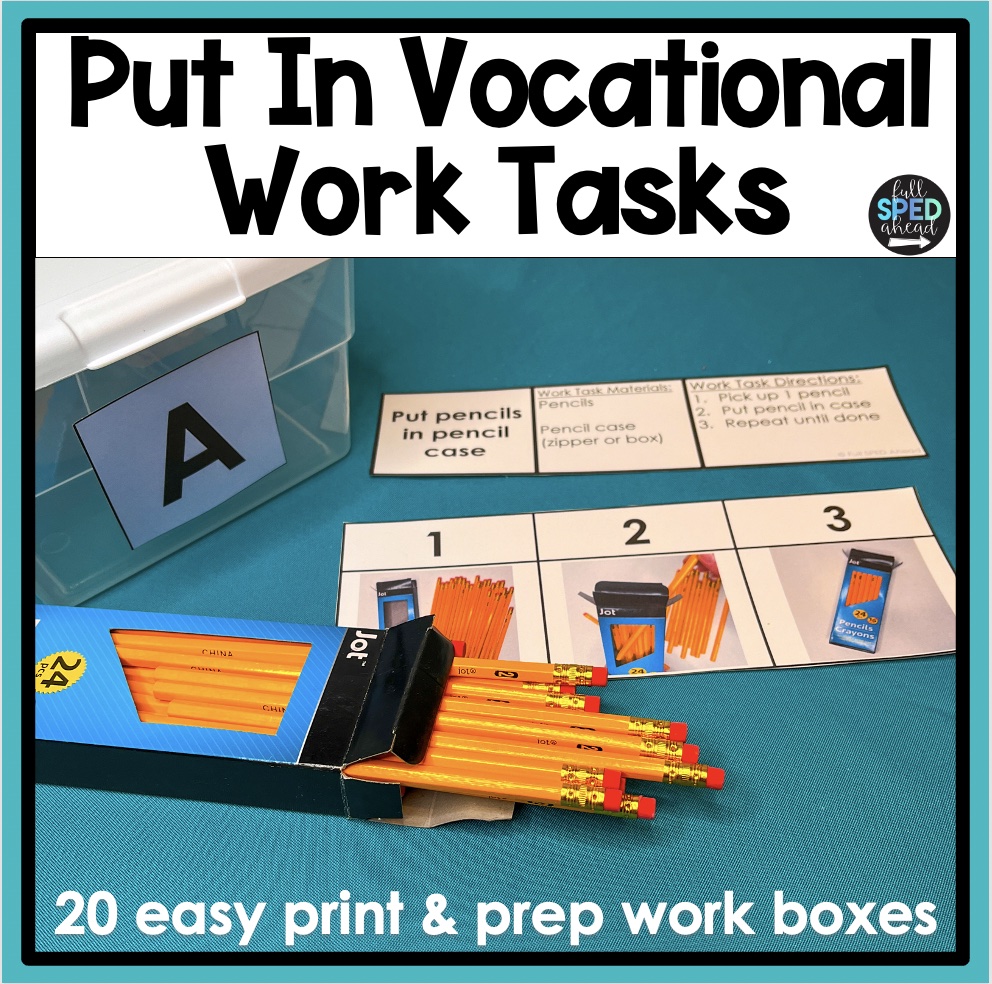
Include visual instructions for each task to help students complete the steps independently. This could be a step-by-step guide with pictures or a visual checklist.
4. Track Progress
Use data sheets to monitor student progress. Record how independently students complete the tasks and identify areas for additional support.
Incorporating work task bins into your daily schedule is a game-changer for SPED classrooms. These bins provide structure, foster independence, and support IEP goals in a meaningful way. Whether used during morning routines, center rotations, or transition periods, task bins help create a more efficient and student-centered classroom environment.
Start small by introducing one or two bins and gradually build a system that works for your students. With the right planning and implementation, work task bins can transform your classroom and empower your students to achieve greater independence.

