
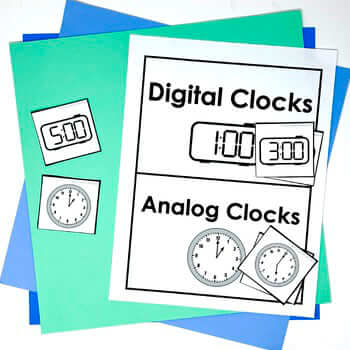
Work task bins are an essential tool in special education classrooms. They provide a structured, hands-on way for students to build independence, practice essential skills, and work toward their Individualized Education Program (IEP) goals. By tailoring task bins to align with specific IEP objectives, teachers can create meaningful, goal-driven activities that support student growth. Read more here to hear what guest blogger Nicole from Adaptation Station says about IEP Work bins.
In this blog post, we will explore the benefits of using work task bins, how to create them to target IEP goals, and strategies to implement them effectively in your classroom.
1. Promote Independence
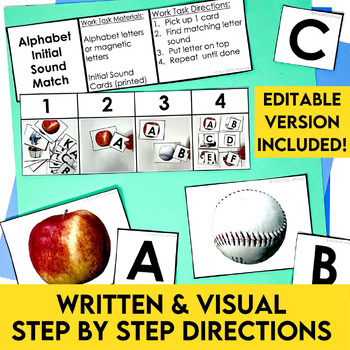
Work task bins are designed to be self-contained and straightforward, enabling students to work independently. This fosters confidence and reduces the need for constant teacher assistance.
2. Reinforce IEP Goals
By aligning each task bin with specific IEP objectives, teachers can ensure that students are consistently practicing skills that matter most for their academic and functional development.
3. Encourage Repetition
Task bins allow for repeated practice of critical skills, which is essential for mastery. Students can revisit the same tasks, like word keyboarding sight activities, over time to build proficiency.
4. Manageable Differentiation
Because task bins are highly customizable, they can be tailored to meet the diverse needs and abilities of students in the classroom.

1. Review IEP Goals
Start by reviewing each student’s IEP. Identify the skills and objectives that need targeted support, such as fine motor development, counting, sorting, or sequencing.
2. Choose Appropriate Tasks
Select tasks that directly align with the identified goals. For example:
3. Create Visual Supports
Add visual instructions to each task bin to guide students through the steps. This could include picture sequences, written instructions, or symbols that are easy for students to follow.
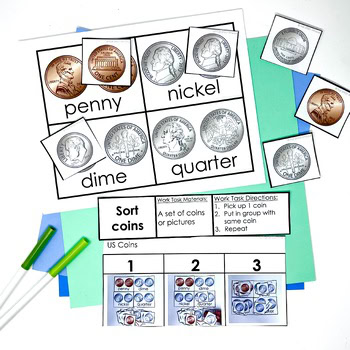
4. Organize Materials
Use sturdy bins or containers to hold all the materials needed for each task. Label the bins with the task name and goal to keep them organized and accessible.
5. Test and Adjust
Before introducing the task bins to students, test them to ensure they are clear and achievable. Make adjustments as needed to ensure success.
Check out this Work Task Bin Starter Kit.
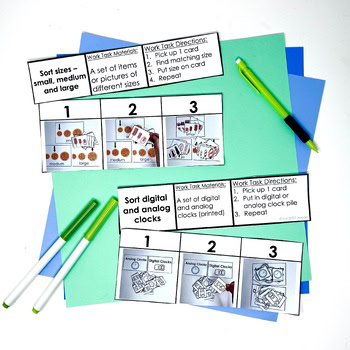
1. Integrate Into Daily Routines
Incorporate work task bins into your daily schedule during independent work time, centers, or transition periods. This ensures students have regular opportunities to practice their skills.
2. Use a Rotation System
To keep activities fresh and engaging, rotate task bins weekly or biweekly. This also allows students to work on a variety of skills over time.
3. Provide Initial Guidance
When introducing a new task bin, provide direct instruction and model how to complete the task. Gradually fade support as students become more confident.
4. Collect Data
Use the task bins as an opportunity to collect data on student progress toward their IEP goals. Record how independently students complete the tasks and identify areas that need further support. For more information on taking IEP data, click here.
5. Celebrate Successes
Acknowledge and celebrate student achievements, no matter how small. Positive reinforcement encourages continued effort and engagement.

Written Directions Independent Work Bins
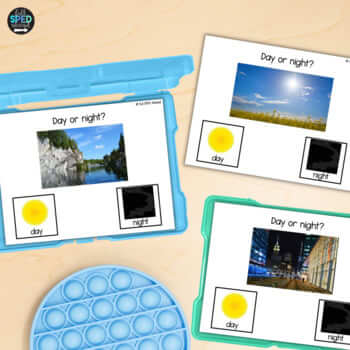
Work task bins are a game-changer for special education classrooms. By creating activities that target specific IEP goals, teachers can provide meaningful, individualized instruction while fostering independence and confidence in their students. These bins not only streamline classroom management but also ensure that every moment spent working is purposeful and impactful.
Ready to start creating your own task bins? Begin by reviewing your students’ IEPs, selecting appropriate tasks, and organizing materials for success. With the right planning and implementation, work task bins can transform your classroom and help your students thrive.
How Work Task bins Build Independence in Special Education Classrooms
