
Special education classrooms require tools that support diverse learning styles, foster independence, and address sensory and academic needs. With so many options available, it can be overwhelming to determine what will truly benefit your students.
We’ve analyzed Amazon’s best-selling items and top search trends to bring you the 10 best student tools on Amazon for special education classrooms. Below are the best tools to create a practical and engaging environment designed to help students thrive in an academic setting.
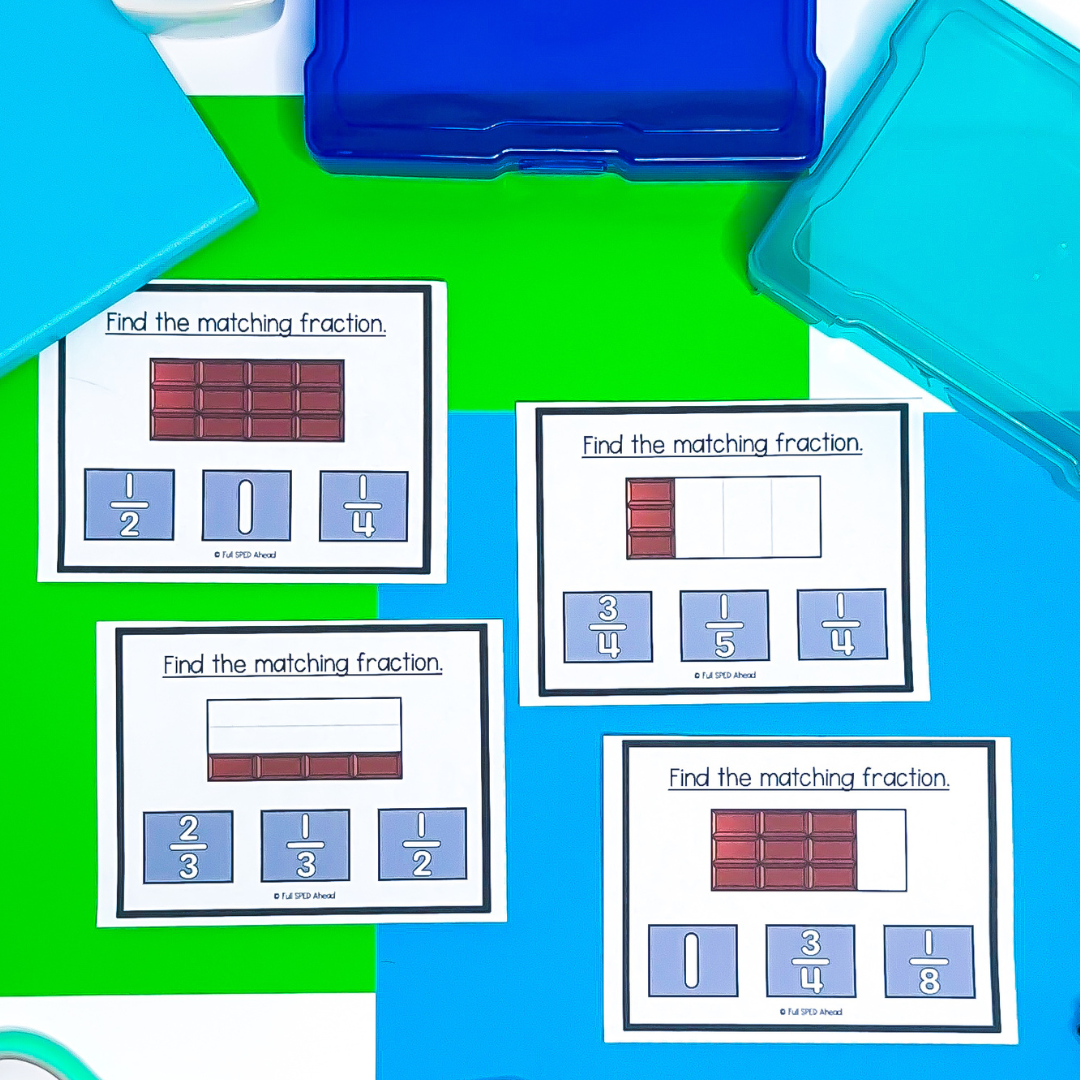
Visual schedules provide a clear outline of the day’s activities, helping students understand what’s coming next and reducing anxiety. They are especially beneficial for students who thrive on routine and structure.
Click here to see on Amazon.
For students with sensory sensitivities, noise-canceling headphones can be a game-changer. These headphones block out overwhelming sounds, helping students focus and stay calm.
Click here to see on Amazon.
Sensory fidget tools, such as stress balls, marble mazes, or pop-its, help students self-regulate during moments of stress or overstimulation. They are quiet and discreet, making them ideal for classroom use.
Click here to see on Amazon.
Weighted lap pads are excellent for providing calming sensory input. They help students stay seated and focused during group instruction or independent work.

Click here to see on Amazon.
Cutting can be challenging for students with fine motor difficulties. Adaptive scissors are designed with spring mechanisms or loop handles to make cutting easier and more accessible.
Click here to see on Amazon.
For nonverbal students or those with limited verbal skills, communication boards are a vital tool. They provide students with a way to express their needs, wants, and emotions.
Click here to see on Amazon.
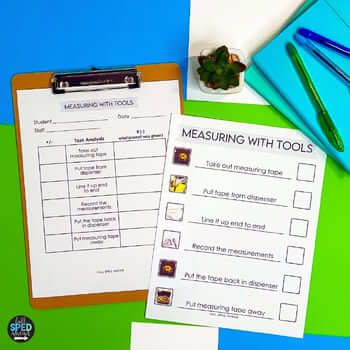
Timers are essential for managing transitions, keeping students on task, and teaching time management. Choose visual or auditory timers based on your students’ needs.
Click here to see on Amazon.
Flexible seating tools, such as wobble stools, bean bags, or yoga balls, give students the ability to choose where and how they learn best. This is particularly helpful for students with ADHD or sensory processing challenges.
Click here to see on Amazon.
9. Magnetic Letters and Numbers
Magnetic letters and numbers are interactive tools that make learning more hands-on. They’re great for teaching foundational literacy and math skills in a fun, engaging way.
Click here to see on Amazon.
10. Task Boxes
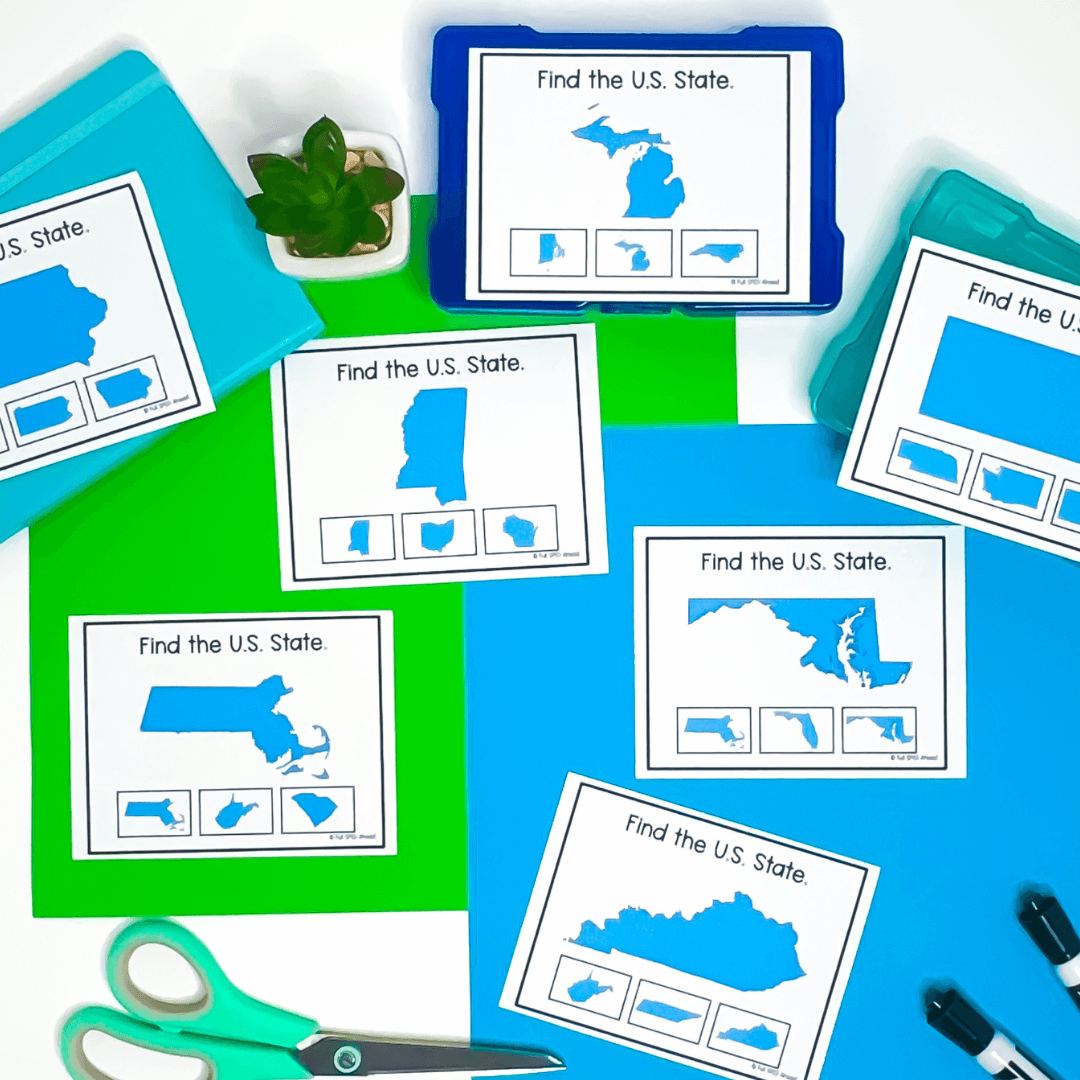
Task boxes are pre-organized activities that students can complete independently. They’re ideal for reinforcing IEP goals, life skills, and academic concepts.
Click here to see on Amazon.
The right student tools can make a world of difference in a special education classroom. From fostering independence to supporting sensory needs, these 10 student tools provide practical solutions to everyday challenges. By incorporating these items into your classroom, you’ll create an environment where students feel supported, engaged, and ready to learn.
Start small by introducing one or two tools, and gradually expand your collection as you identify what works best for your students. With the best student tools in place, you’ll be well on your way to creating a more organized and student-centered classroom.
10 Best Sensory Tools for Autism Special Education Classrooms
Matching Work Task Boxes Bins Independent Vocational Skills Special Education
End the School Year Strong with 10 Must-Have Resources for Special Education Teachers
3 Ways File Folders Build Independence in Special Education Students


