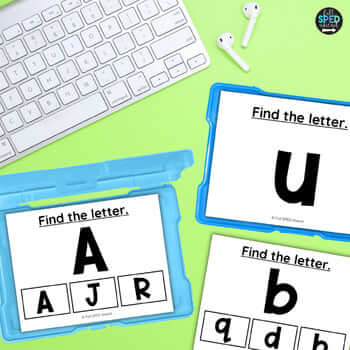
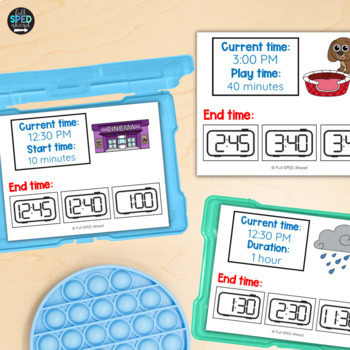
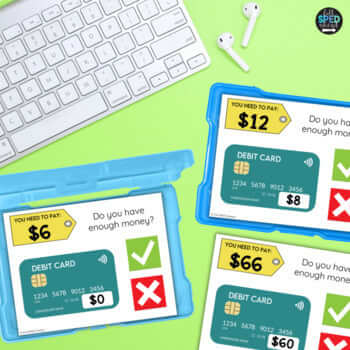
When it comes to building independence and preparing students for real-world success, life skills instruction is just as important as academics. For special education teachers, finding tools that are both engaging and practical can be a challenge. That’s where task cards come in.

They are versatile, hands-on learning tools that can be used across settings, skill levels, and goals. Whether you’re teaching hygiene routines, money management, or cooking steps, they give students structured opportunities to practice and master essential life skills. In this post, we’ll explore why task cards are so effective, how to use them in your classroom, and the benefits they provide for students in special education.
They are small, focused learning activities that target specific skills. Each card typically contains a question, visual prompt, or activity for students to complete. In special education, they often include visual supports, step-by-step prompts, and real-life scenarios that make them accessible for students with varying needs.
Unlike worksheets, they are interactive and can be used in multiple ways: independent work, centers, small groups, or even as quick review activities. Their adaptability makes them a favorite tool for teaching both academic content and functional life skills.
Try out a free set of task cards here: https://fullspedahead.myflodesk.com/taskcards
They allow students to practice life skills at their own pace. With clear directions and visuals, they can work through tasks with minimal prompting, increasing confidence and independence. Life skills can sometimes feel repetitive, but you can add variety and structure. Students enjoy the small, manageable format, which keeps them motivated.
From money and budgeting to cooking and hygiene, using task cards can help students practice in areas that directly translate to daily living and future job readiness. Task cards can be tailored for multiple ability levels. Non-readers can use picture-based cards, while higher-level learners can work on multi-step problem-solving. Because they are structured and repeatable, they make progress monitoring easier. Teachers can record student accuracy and independence on specific skills aligned to IEP goals.
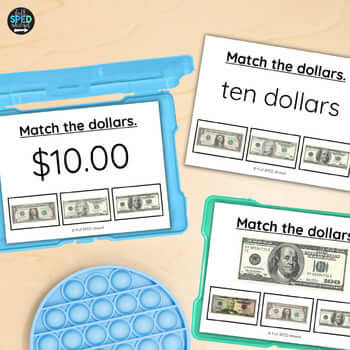
Here are some areas where they can be especially powerful in your classroom:
Task cards aren’t just an instructional tool, they help students grow in multiple ways:
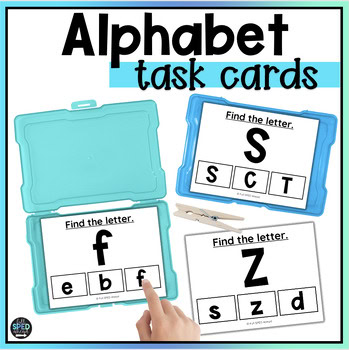
Task cards are one of the most engaging, flexible, and effective tools for teaching life skills in special education. They provide structure without being overwhelming, make data collection manageable, and give students the confidence to practice independence in meaningful ways.
If you’re looking to bring more life skills practice into your classroom, explore my Bundles for Special Education, they’re designed with visuals, step-by-step supports, and real-world relevance to help your students succeed.
Boom Cards and Task Cards: What Is The Difference?
Task Cards for Special Education
How to Use Digital Task Cards in Special Education
The Importance of Task Card Centers in Special Education: Highlighting 10 of My Favorite Task Boxes