
Classroom assistants are the backbone of many special education classrooms. A classroom assistant provides essential support for students, help manage routines, and ensure that individualized instruction is carried out effectively. But without clear training and guidance, even the most dedicated paraprofessionals can feel overwhelmed or unsure of their role.
That’s why planning paraprofessional training sessions is such an important responsibility for special education teachers and administrators. Thoughtful training not only equips paras with the knowledge and skills they need but also fosters a collaborative classroom where everyone is on the same page.
In this post, we’ll walk through how to plan effective classroom assistant training sessions that set expectations, provide clarity, and build confidence for your support staff.
Grab a free prompt hierarchy visual to use for training your staff including classroom assistants!
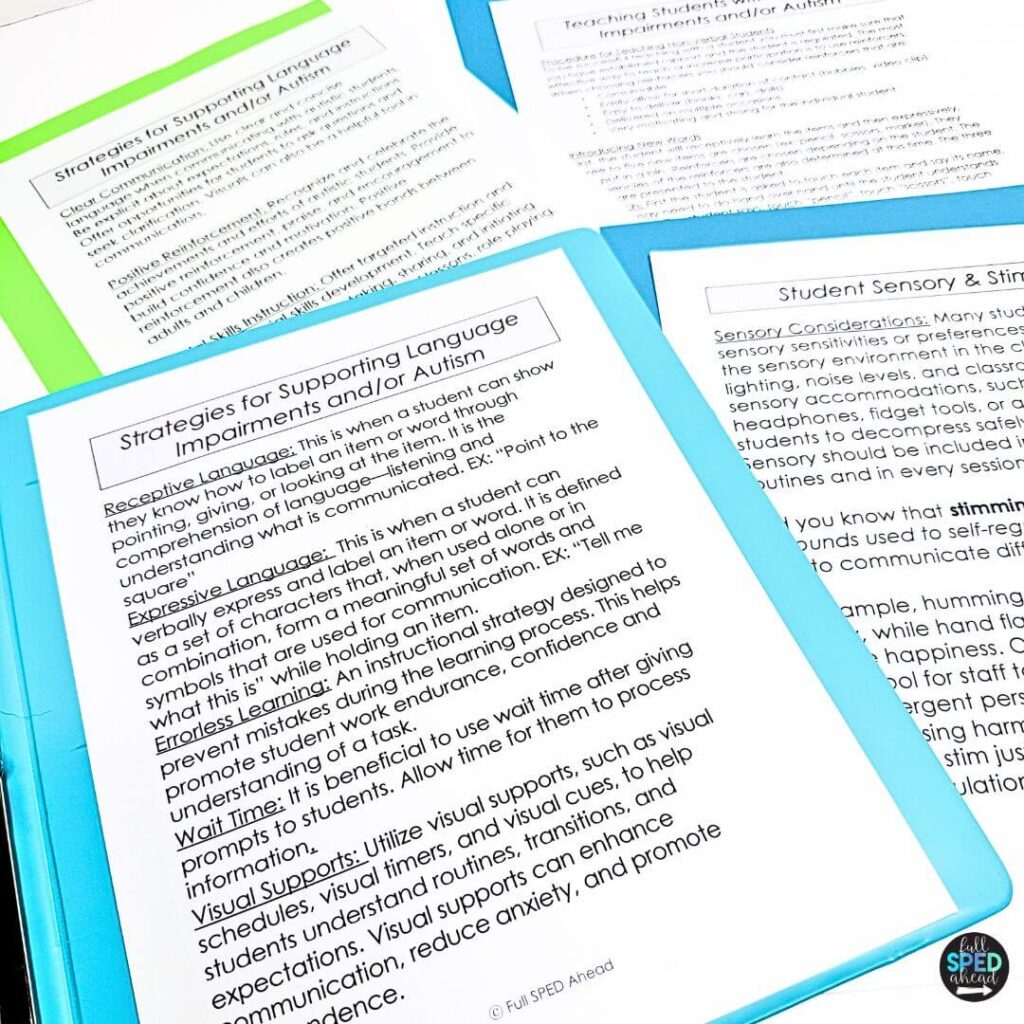
Paraprofessionals often work directly with students on academics, behavior, or functional life skills. They may support toileting, data collection, small-group instruction, or crisis management, all while reinforcing IEP goals. Without proper training, these responsibilities can be inconsistent, leading to gaps in student progress.
Training sessions give you the opportunity to:
When your classroom assistant feels prepared, students benefit.
Key Components of a Classroom Assistant Training Session
When planning training sessions, it’s important to balance clear expectations with practical strategies. Here are some must-have components to include:
1. Roles and Responsibilities
Start by defining what a classroom assistant should (and shouldn’t) be responsible for. Cover areas like instructional support, data collection, behavior plans, and communication with students.
2. Student-Specific Information
Provide training that highlights individual student needs, IEP accommodations, and strategies that work best. This helps paras understand how to provide consistent support across settings.
3. Classroom Routines
Walk through daily schedules, transitions, and systems for independent work. Paraprofessionals should know exactly how to help keep things running smoothly.
4. Data Collection
Show paras how to collect data on IEP goals or behaviors. Provide examples, practice sheets, and simple systems they can use.
5. Behavior Management & Safety
Review classroom expectations, reinforcement systems, and crisis management procedures. This gives paras the confidence to step in appropriately when challenges arise.
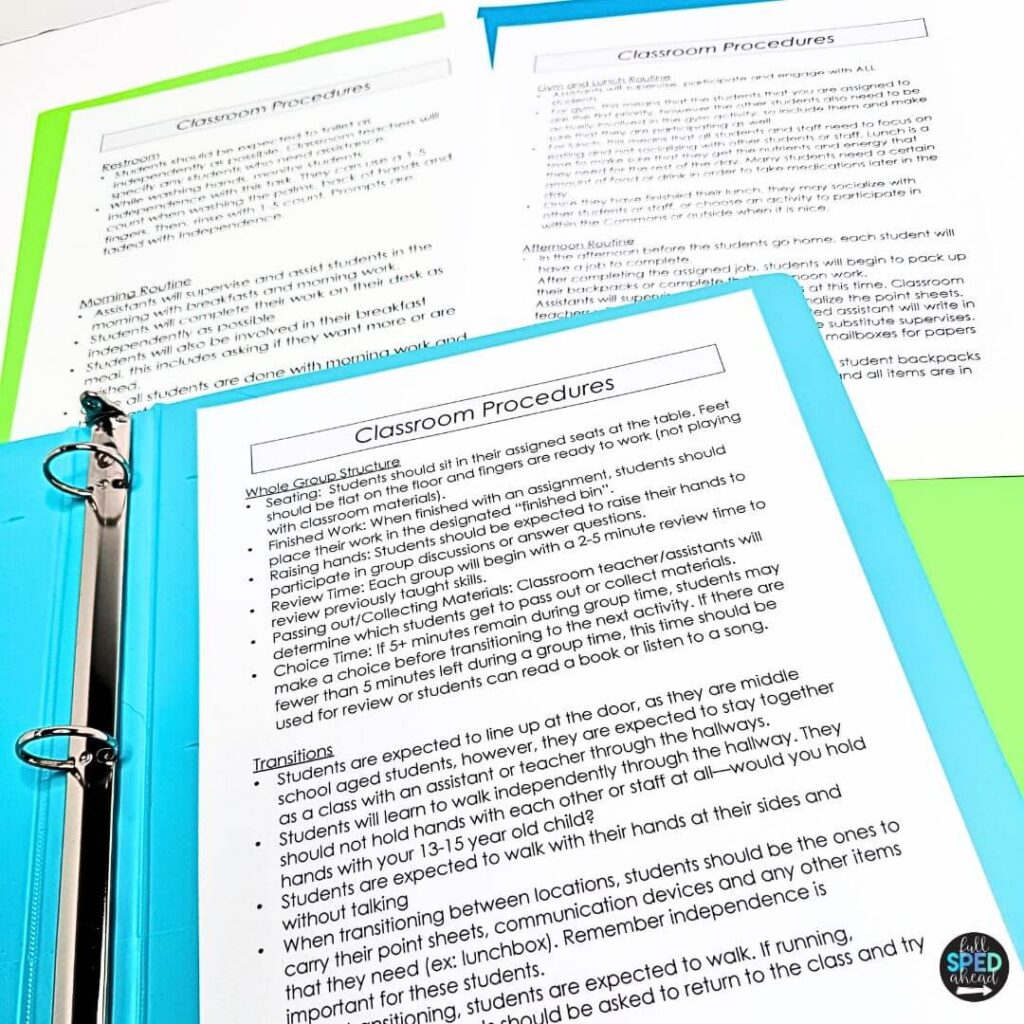
Planning one big training session at the start of the year is helpful, but ongoing support makes a bigger impact. Here are some ways to structure it:
Classroom assistant training is not just about giving instructions it’s about building a team. When paraprofessionals feel supported, prepared, and respected, they can make an even greater impact on student success.
By planning structured training sessions, offering practical tools, and keeping communication open, you can create a classroom environment where teachers, classroom assistant, and students all thrive.
👉 Ready to get started? Save yourself time and stress with my Editable Paraprofessional Training Binder — it includes everything you need to set expectations, train paraprofessionals, and build a supportive classroom team.

