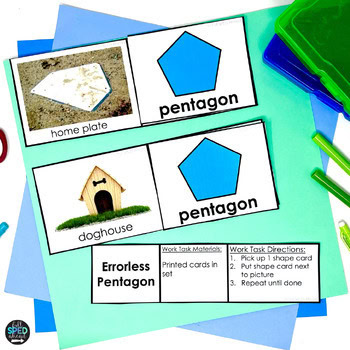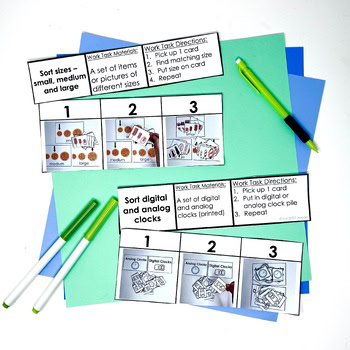
In special education classrooms, independence is one of the most important long-term goals we can teach our students. Whether it’s preparing them for daily living, vocational training, or functional academic tasks, giving students opportunities to work on their own is essential. One of the most effective and practical tools for achieving this is the use of work task bins, particularly in creating work task bins.
Work task bins also known as task boxes or independent work systems provide structured, hands-on activities that target specific skills. Even better, they are a natural way to align daily practice with IEP goals while helping students build confidence and stamina for independent work.
Let’s dive into how creating work task bins not only build independence but also directly support your students’ IEP goals. Grab a free vocational work tasks starter kit to get your work boxes set up with ease, focusing on creating work task bins!
Work task bins are containers (bins, shoeboxes, or plastic tubs) filled with activities that students can complete independently. Each bin focuses on one skill at a time and contains everything needed to complete the task. Examples might include sorting utensils, matching word to picture cards, sequencing steps in a recipe, or counting coins.
For students, these bins provide structure, routine, and predictability. For teachers, they provide a flexible and easy way to incorporate IEP-aligned practice into the daily schedule.
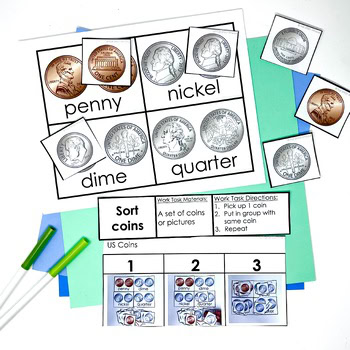
Students in self-contained or resource classrooms often rely on adult support to complete academic or functional tasks. Creating work task bins help reduce that dependence by creating opportunities for students to complete tasks independently.
The true power of creating work task bins lies in their ability to directly reinforce IEP goals. Instead of creating extra busy work, bins can be intentionally designed to provide repeated practice in meaningful skill areas.
👉 Ready-made supports like my Sorting Vocational Work First Day of School are designed to target functional life skills while helping students gain independence.
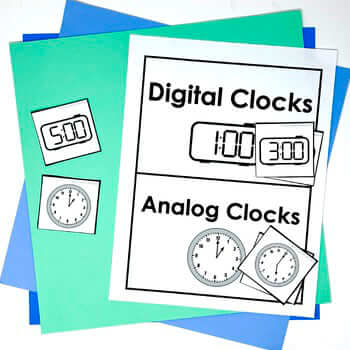

Creating work task bins are more than just busy work, they are a powerful tool for building independence, supporting IEP goals, and preparing students for real-world success. By creating bins that are intentional, structured, and aligned with student needs, you can transform your classroom into a place where students practice meaningful skills every day.
If you’re ready to save time and start strong, explore my Independent Work Task Bins for Vocational Skills Bundle for ready-made activities that directly target life skills and independence. Don’t forget to grab a free vocational work tasks starter kit to get your work boxes set up with ease!
How Work Task Bins Build Independence in Special Education Classrooms
Independent Work Boxes in the Classroom
Must Have Independent Living Tasks for Special Education Classrooms