
Teaching functional life skills as a special eduction teacher is critical. These are the building blocks for independence, especially for students in special education. These essential skills empower individuals to navigate daily life, participate in their communities, and build a sense of self-reliance. While academics are a crucial part of any education, functional life skills equip students with the tools they need for practical, real-world success. In this blog post, we’ll explore what functional life skills are, why they matter, and actionable strategies for teaching them effectively in special education classrooms.
Read more about examples here
Functional life skills encompass a wide range of abilities that help individuals manage day-to-day tasks and responsibilities. These skills are directly applicable to real-life situations, such as:
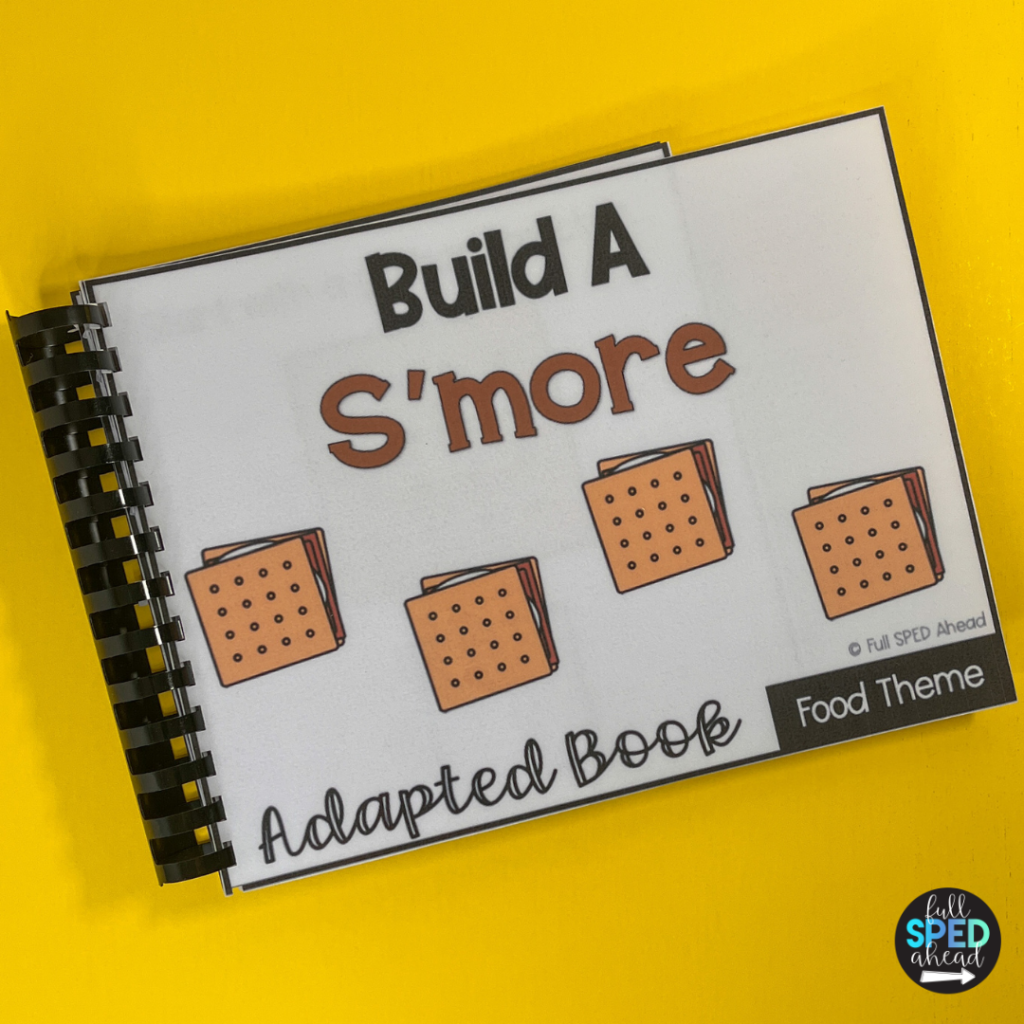
These skills are crucial for students to develop greater independence and successfully transition into adulthood. For students with disabilities, learning these tasks can sometimes require additional supports and individualized approaches, but the outcomes are immensely rewarding. But how does a teacher go about teaching functional life skills? We will get there soon! Here is why functional life skills matters:
1. Fostering Independence
The ability to perform daily tasks independently is empowering. Teaching life skills gives students the confidence to navigate their environments and reduces reliance on caregivers or support staff.
2. Preparing for Transition
For many special education students, transition planning—whether to higher education, vocational programs, or independent living—is a significant part of their educational journey. Functional life skills are key components of successful transitions.
3. Enhancing Quality of Life
Being able to cook a meal, manage personal hygiene, or handle money contributes to a student’s overall quality of life. These skills allow students to engage more fully in their communities and lead fulfilling lives.
4. Supporting Employment Readiness
Many life skills, such as time management and task completion, are directly transferable to workplace settings. By teaching these skills early, educators can help students prepare for vocational success.
But how does a teacher go about teaching functional life skills? We will get there next!
1. Use Task Analysis
Task analysis is one of the most effective ways for teaching functional life skills. This approach involves breaking a task into smaller, manageable steps. For example, teaching a student how to do laundry might involve:
By teaching each step individually, you can ensure students master each part of the process before moving on to the next.
2. Incorporate Visual Supports
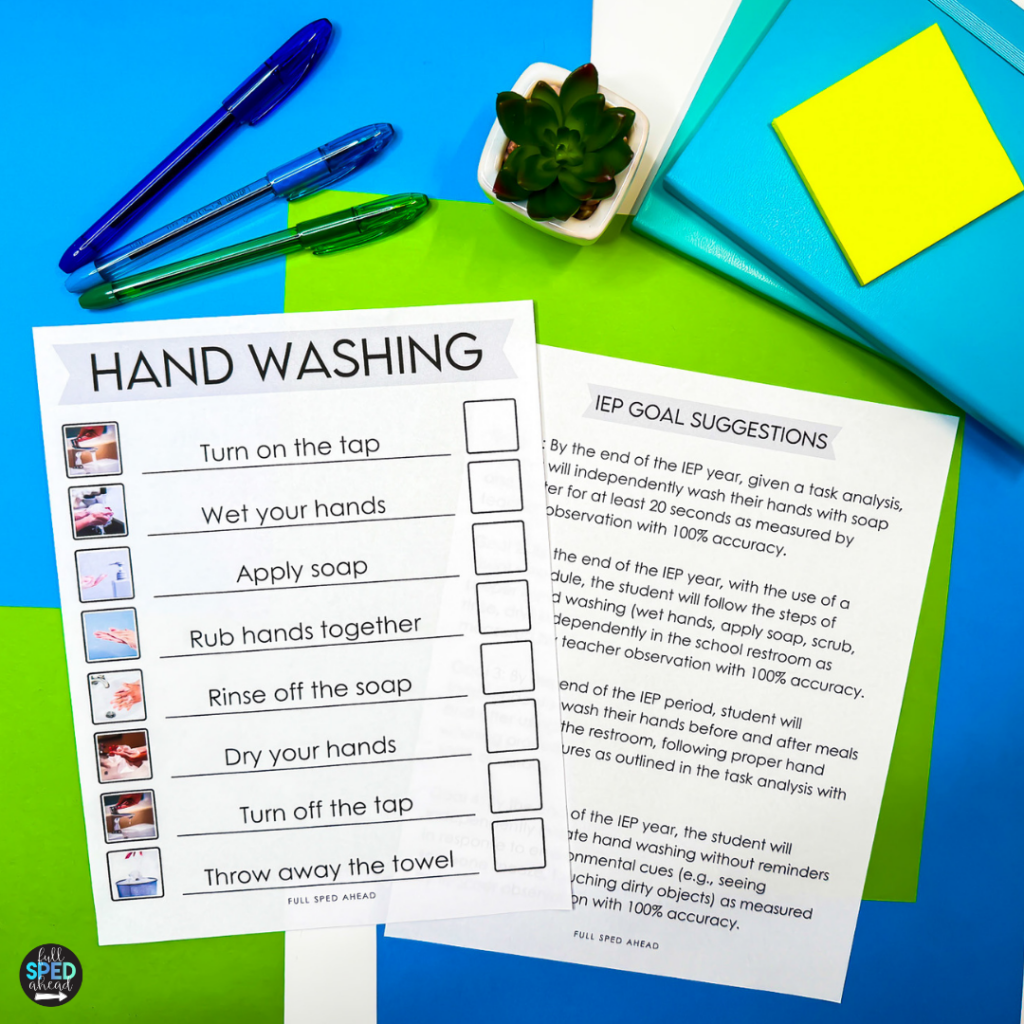
Many students benefit from visual aids like picture schedules, step-by-step charts, or labeled bins. These tools help students understand what is expected and provide a clear roadmap for completing tasks.
For instance, you could create a visual schedule for brushing teeth that includes images of each step: picking up the toothbrush, applying toothpaste, brushing, rinsing, and putting the toothbrush away.
3. Practice in Real-Life Settings
Whenever possible, teaching functional life skills in the environments where they will be used. For example, practice grocery shopping by taking students to a store, or teach cooking in a classroom kitchen. Community-based instruction (CBI) provides valuable opportunities for students to learn in authentic settings.
4. Use Work Task Systems
Work task systems, like those involving bins or folders, are great for teaching routines and reinforcing independence. For example, a task bin could include all the materials needed to sort utensils into trays. These structured tasks help students build endurance and confidence while working independently. This helps with teaching functional life skills.

5. Leverage Technology
Technology can play a significant role in teaching life skills. Apps and tools like video modeling, timers, and AAC devices can provide additional support and make learning more engaging. For example, students might watch a video on how to make a sandwich and then follow along step-by-step.
6. Incorporate Role Play
Role-playing scenarios such as ordering food at a restaurant or asking for help can help students practice social and functional communication skills in a safe environment. This approach builds confidence and prepares students for real-world interactions.
1. Lack of Time
Life skills instruction can feel like an extra layer in an already packed schedule. To address this, integrate life skills into existing routines. For example, teach time management during transitions between activities or incorporate hygiene lessons into bathroom breaks.
2. Individualized Needs
Every student’s needs are different. Use individualized education plans (IEPs) to identify which life skills are most relevant for each student and create customized strategies to address them.
3. Limited Resources
If resources like community access or classroom kitchens are limited, get creative. Use simulations or role-playing to mimic real-life environments. Reach out to community organizations for partnerships or support.
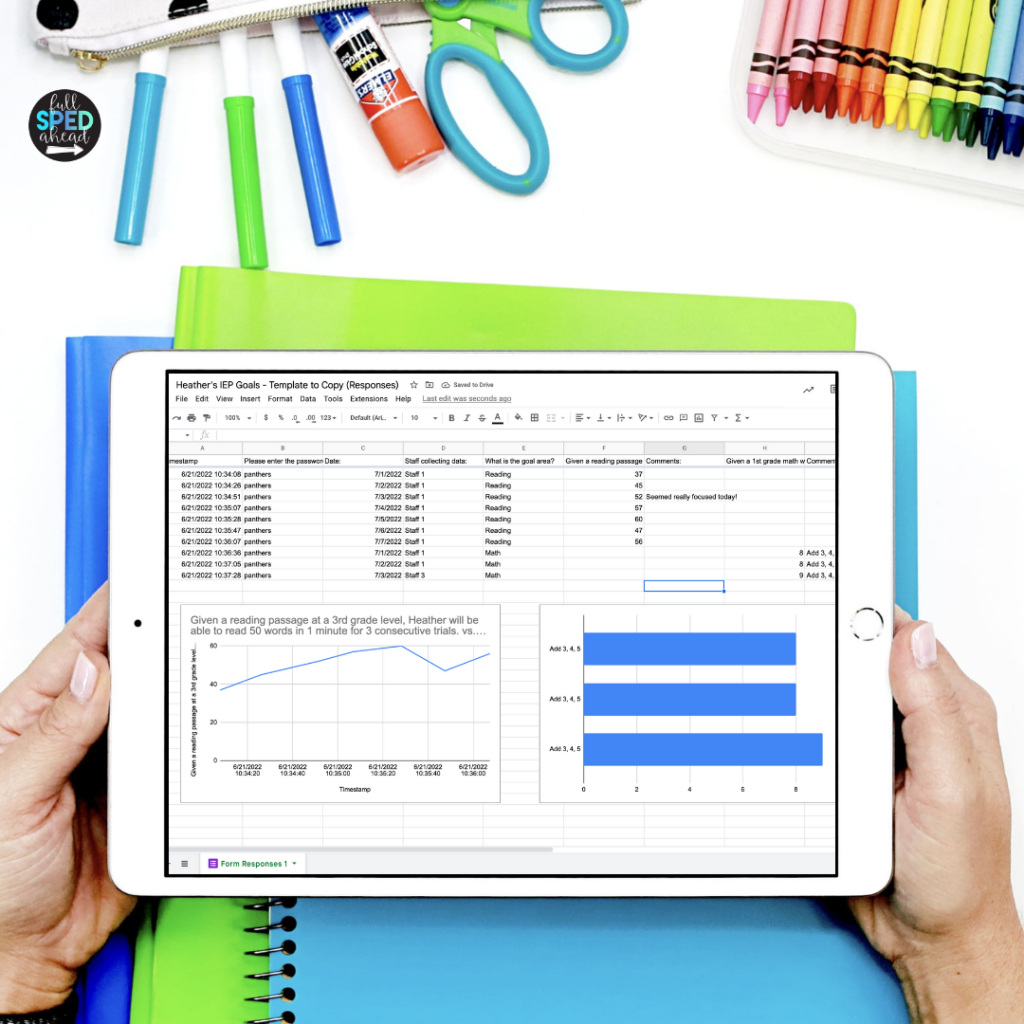
Tracking progress is essential to ensure that students are mastering the skills they need. Use data collection tools to document milestones and identify areas where additional support is needed. Consider using:
Teaching functional life skills in special education is about more than just mastering tasks—it’s about empowering students to live independent, fulfilling lives. By incorporating strategies like task analysis, visual supports, and real-world practice, educators can create meaningful learning experiences that prepare students for the challenges and opportunities of daily life.
Teaching functional life skills are not a one-size-fits-all approach, but with patience, creativity, and the right tools, every student can make progress toward independence. Start small, celebrate successes, and watch your students grow in confidence and capability. Let me know if you have more questions about teaching functional life skills.
