
Enter digital data collection systems: game-changing tools that streamline the data process, improve accuracy, and save teachers time. In this blog post, we’ll explore the importance of data-driven decision-making in special education and share actionable ways to implement digital data collection systems in your classroom.
In the world of special education, data collection is not just a compliance requirement—it’s a critical tool for tailoring instruction to meet the unique needs of every student. Progress monitoring, tracking IEP goals, and analyzing student outcomes are all data-driven processes that inform teaching strategies and ensure meaningful growth. While data collection methods—think binders and paper charts—have been effective, they often fall short when it comes to efficiency and accessibility.
Data-driven decision-making is the foundation of effective special education instruction. By consistently collecting and analyzing data, teachers can:
Digital data collection systems take this process to the next level by providing real-time data, easy-to-read reports, and tools for monitoring trends over time.
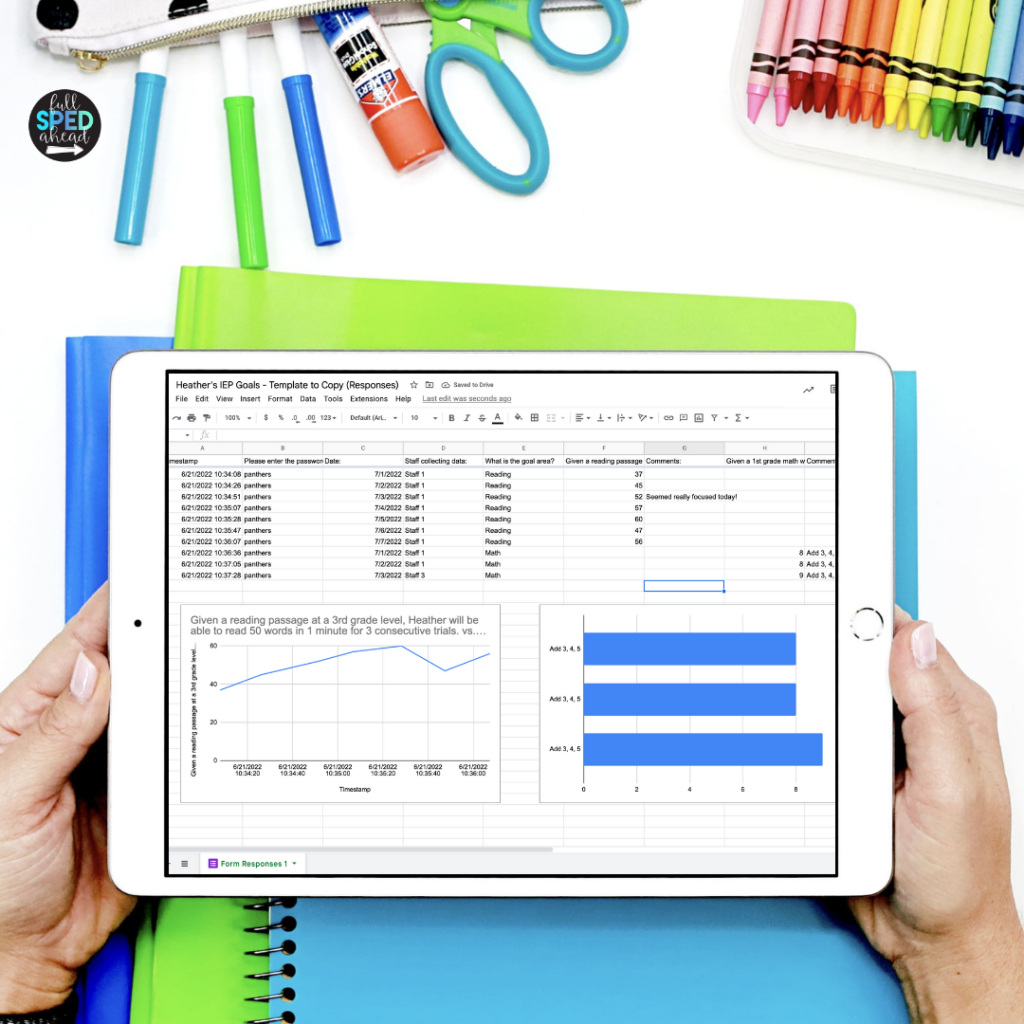
Manually recording and organizing data can be time-consuming, especially when you’re tracking multiple IEP goals for a classroom full of students. Digital Data Collection tools simplify this process by allowing teachers to input data quickly and access it instantly. Tools like Google Forms or specialized data collection apps enable you to log behavior incidents, academic progress, or task completion in just a few clicks.
When data is recorded digitally, the risk of errors decreases. You don’t have to worry about misplacing paper forms or misreading handwriting. Many digital systems also include built-in analytics, helping you identify trends and patterns that might otherwise go unnoticed.
Digital Data Collection Systems is easy to share with your team. Whether you’re collaborating with paraprofessionals, speech therapists, or parents, everyone can access the same up-to-date information. This transparency fosters collaboration and ensures that everyone is on the same page when making decisions about a student’s education.
Many digital tools allow you to create customized forms or templates tailored to specific IEP goals. This flexibility ensures that your data collection aligns with the unique needs of each student.

Start by selecting a digital platform that meets your needs. Tools like Google Forms, ClassDojo, or specialized apps like Catalyst offer features for tracking student progress and generating reports. Evaluate each platform’s capabilities to ensure it aligns with your classroom goals.
It’s essential to ensure that everyone involved in data collection—from paraprofessionals to related service providers—understands how to use the digital system. Provide clear instructions and consider creating a step-by-step guide to streamline the transition.
Incorporate data collection into your daily or weekly schedule. For example:
Once you’ve implemented a digital system, regularly review its effectiveness. Are you capturing the data you need? Is the system saving you time? Make adjustments as needed to ensure it remains a helpful tool.
Digital data collection systems are transforming the way special education teachers monitor and analyze student progress. By streamlining data entry, improving accuracy, and fostering collaboration, these tools enable teachers to focus more on what matters most: providing meaningful instruction and support to their students.
If you haven’t yet explored digital data collection, now is the time to start. Incorporate these systems into your classroom routine and experience the difference they can make in your teaching. Ready to take the next step? Check out our IEP Data Collection Google Forms Bundle and see how easy and effective digital progress monitoring can be!

Power of Digital Data Collection
Simplify Your Data Collection Systems
