
Visual Schedule Cards Free Printable for Special Education Classrooms
A predictable daily routine with the Visual Schedule Cards Free Printable can completely transform a special education classroom. When students know what to expect, transitions

A predictable daily routine with the Visual Schedule Cards Free Printable can completely transform a special education classroom. When students know what to expect, transitions
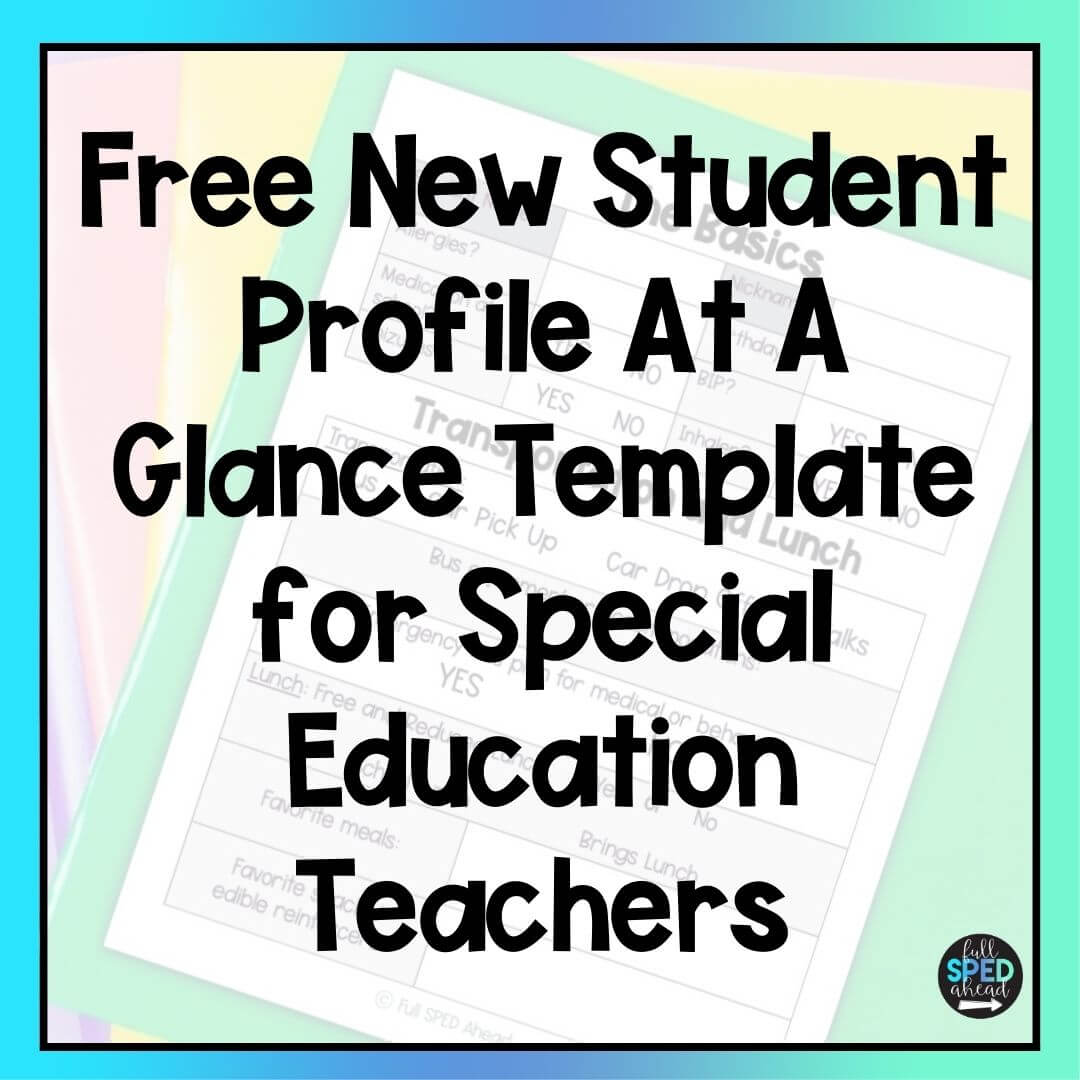
Starting with a new student profile in special education comes with a lot of information to manage. Teachers need quick access to essential details without
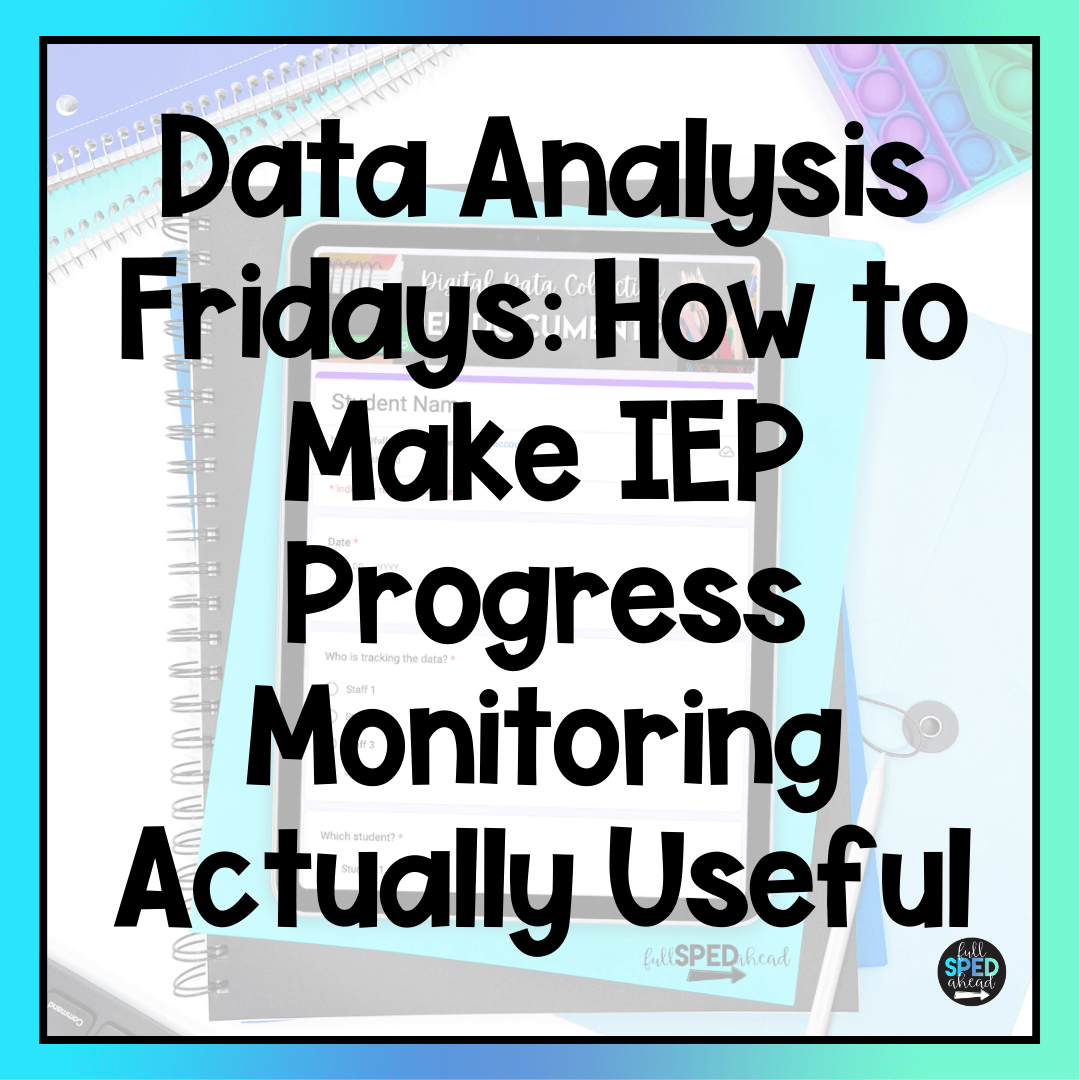
If you’re a special education teacher, you already know that IEP progress monitoring takes up a big chunk of your time. You collect data all week long,
Based on best-selling products and curated items from the Full Sped Ahead Amazon Sensory List, here are five top sensory for autism that are both

In this blog post, I’m excited to share my top 10 favorite sensory tools for autism that have proven to be invaluable in my classroom. These tools not only support sensory regulation but also promote positive behavior, enhance learning experiences, and foster a sense of calm and comfort for all students. Let’s dive in and explore these must-have resources that can transform your teaching practice and create a more inclusive learning environment. Disclaimer: These links include affiliate links in which I make pennies for your purchase.
There are 13 disability categories covered under IDEA for Special Education. When it comes to determining eligibility and qualifying for special education, there are a few things you need to know:
